

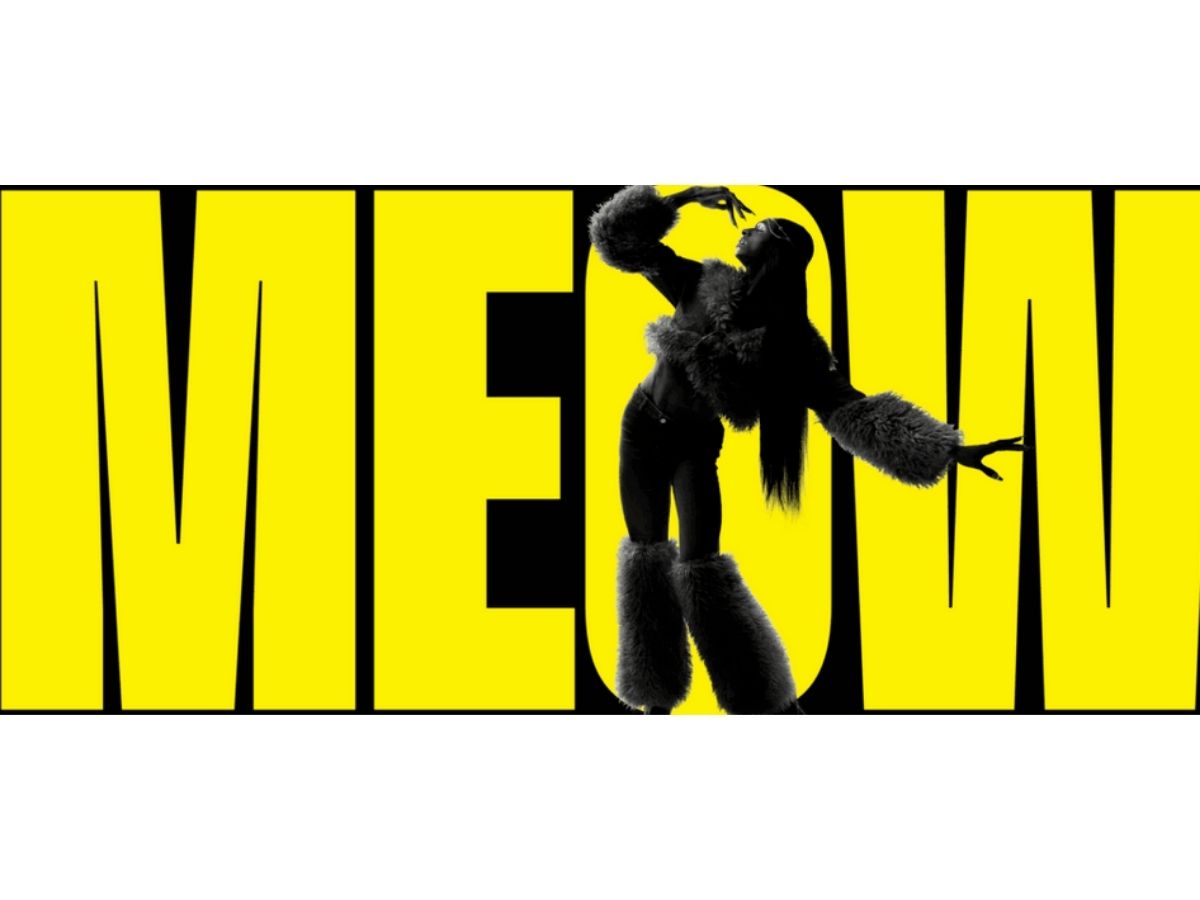
Trans rights are human rights. In a world where trans rights keep being taken away, the joy that comes from art, music, and theatre matters more than ever. Within this landscape, Cats: The Jellicle Ball gives the pure joy and O-P-U-L-E-N-C-E that is resistance in a world that can be dark and threatening.
In 2024, Cats: The Jellicle Ball sold out the initial shows at the Perelman Performing Arts Center. Having seen it come across my TikTok feed, I waited and waited for another extension so that I could purchase tickets. Unfortunately for me, the timing didn’t work out. I closely monitored the socials until the show announced its move to Broadway.
Let me tell you, nothing prepared me for the pure electric surge of joy and community that existed in the Broadhurst Theatre on March 18, 2024. However, what I can tell you is that you should be jumping and diving your way to get tickets.
What is Cats: The Jellicle Ball?
Cats: The Jellicle Ball reimagines the classic Andrew Lloyd Webber musical as a Ballroom competition. Ballroom culture is an underground Black and Latin LGBTQIA+ community. According to the Human Rights Campaign,ballroom culture dates back to the Harlem Renaissance era that expanded its reach and community in the late 1970s and early 1980s.
According to “Constructing Home and Family: How the Ballroom Community Supports African American GLBTQ Youth in the Face of HIV/AIDS,” consists of two primary features: “anchoring family-like structures, called houses, and the flamboyant competitive balls that they produce.” The research explains:
Led by house mothers and fathers, houses function as families whose main purpose is to organize elaborate balls and to provide support for their children to compete in balls as well as to survive in society as marginalized members of their communities of origin.
Setting the story of Cats within this found-family setting transforms the traditionally disconnected poems into a more cohesive narrative. Each “cat” is now a member of a house strutting down the runway, voguing to updated beats, and cheering for all winners.
The First Time Cats Made Sense
The Jellicle Ball takes the iconic music and truly gives us a story that we can care about. For the first time, we understand Grizabella’s pain. Without going into spoiler territory, the second act opens with an homage to ballroom’s founding trans mothers, including Grizabella.
“Tempress” Chasity Moore’s performance of “Memory” is absolutely devastating. Her performance gives us every emotion imaginable from tentative fear to heartbreaking despair. Ultimately, to joyous rebirth.
The rebirth within Cats: The Jellicle Ball is so much more than the original story. When we see these people celebrating their culture, we experience the joy of finding a community where you can finally be your whole, true self and others around you accept and love you all the more for it.
Cats: The Jellicle Ball Is An Experience of Community
From the beginning, audience members are active participants from their seats. In the opening, Junior Labeija’s voice gracefully and powerfully reminds us that we might normally be reserved when we go to the theatre, but “this is a ball, darling.”
During that first night, the audience screams and the sounds of fans opening and closing nearly obscured his announcement. The reason? Junior Labeija, who plays Gus the Theatre Cat, is more than an actor, they were adopted into the one of the oldest ballroom houses and are a pillar of the ball community.
And here is where Cats: The Jellicle Ball shines. I’m a white, non-binary femme raised in a conservative home in suburban Connecticut. I was never a part of and likely will never be a part of the ballroom community.
The references to ballroom culture were not for me. They were all for the people who know the culture, who know who Labeija is, and who could celebrate with one another.
And yet, during that performance, I was part of the ballroom culture for just a moment.
Before the performance and during the intermission, I watched as queer audience members and community members showed up in their best looks, hugged one another, and celebrated seeing the trans and queer joy that existed in that room.
During the performance, I had the honor and privilege to watch as the gay couple a few rows in front of me placed their arms around each other. I was able to watch the elder gay gentleman wave his fan and applaud his community and his culture.
I was transported into a world where fashion glows, where bodies express, and where music lights the soul.
In those moments, Cats: The Jellicle Ball transcended that theatre, becoming more than a performance by allowing everyone to experience community together.


