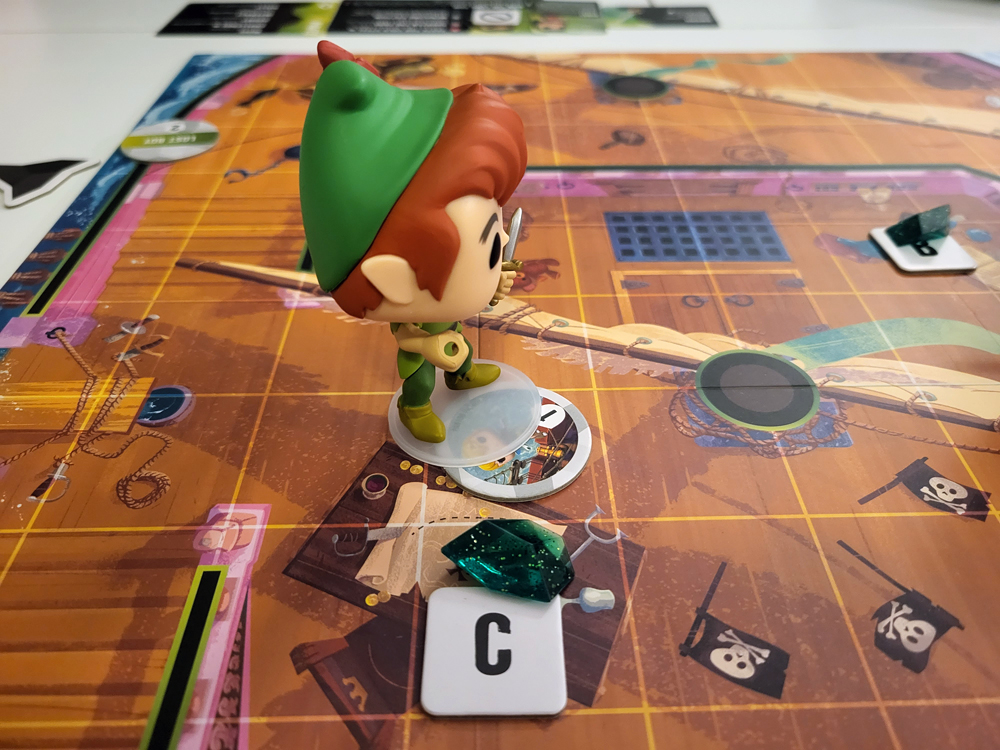
'Funkoverse: Peter Pan' from Funko Games. Photo by Elizabeth MacAndrew.
Funkoverse is a board game series my family is already familiar with, and I must say that I’m a pretty big fan of it. Part of the fun of the franchise is the ability to collect different sets to mix and match, and as fans of many things pirate-related, it seemed only natural to want to check out Funkoverse: Peter Pan (based on the classic Disney cartoon) when it was announced. Luckily, Funko Games was kind enough to send us a copy for review.
Funkoverse: Peter Pan is a newer addition to the Funkoverse board game line from Funko Games that takes Pop! Vinyl-based figures from various franchises and places them in a strategy-based game with different battle scenarios. Each addition is a fun tribute to the franchise it belongs to from the Character Abilities and Scenarios down to additions like Items and Companions. The games can be mixed and matched like a giant cross-over fan fiction. The Peter Pan version includes Captain Hook and Peter Pan as the key figures with several Neverland-based Scenarios. The Funkoverse game line is designed for 2-4 players ages 10+ and takes about 40 minutes to play. The price points of the various additions tend to vary based on how many characters the set includes and whether it is simply a character expansion or play alone game. The Funkoverse: Peter Pan set is a two-pack intended for 2 players that has an MSRP of $25.
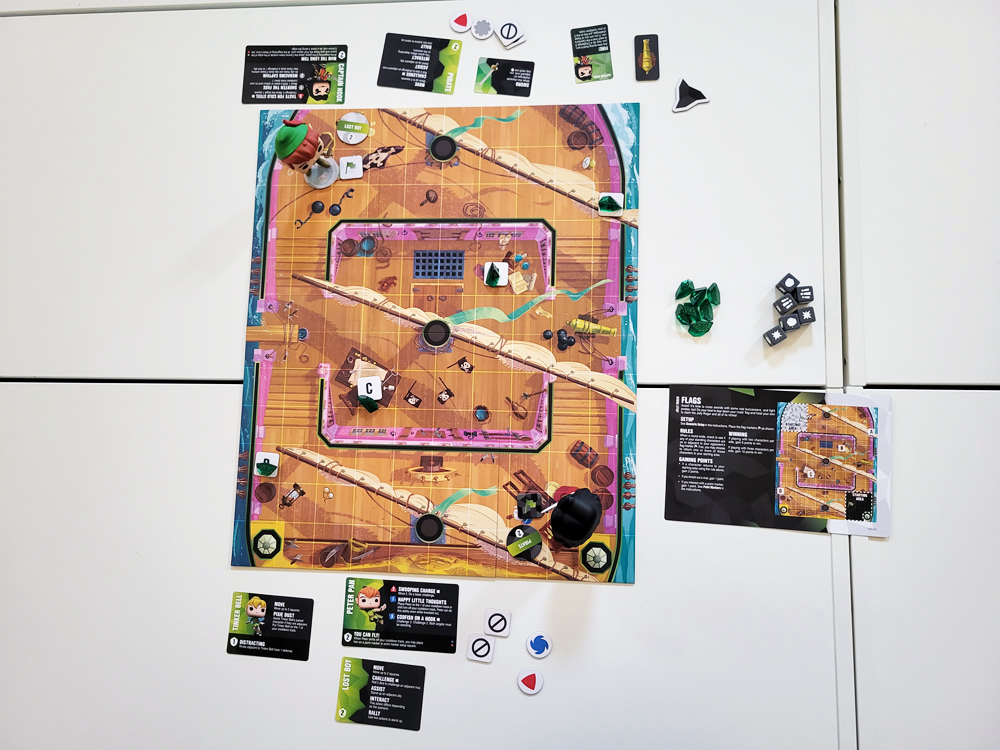
Funkoverse: Peter Pan includes the following:
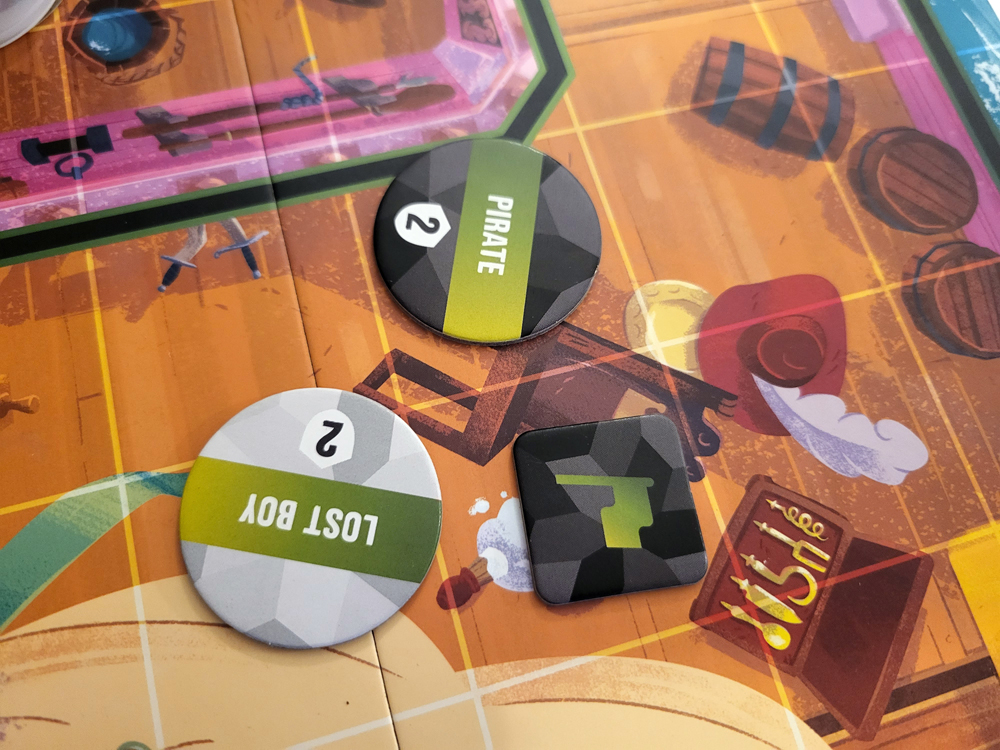
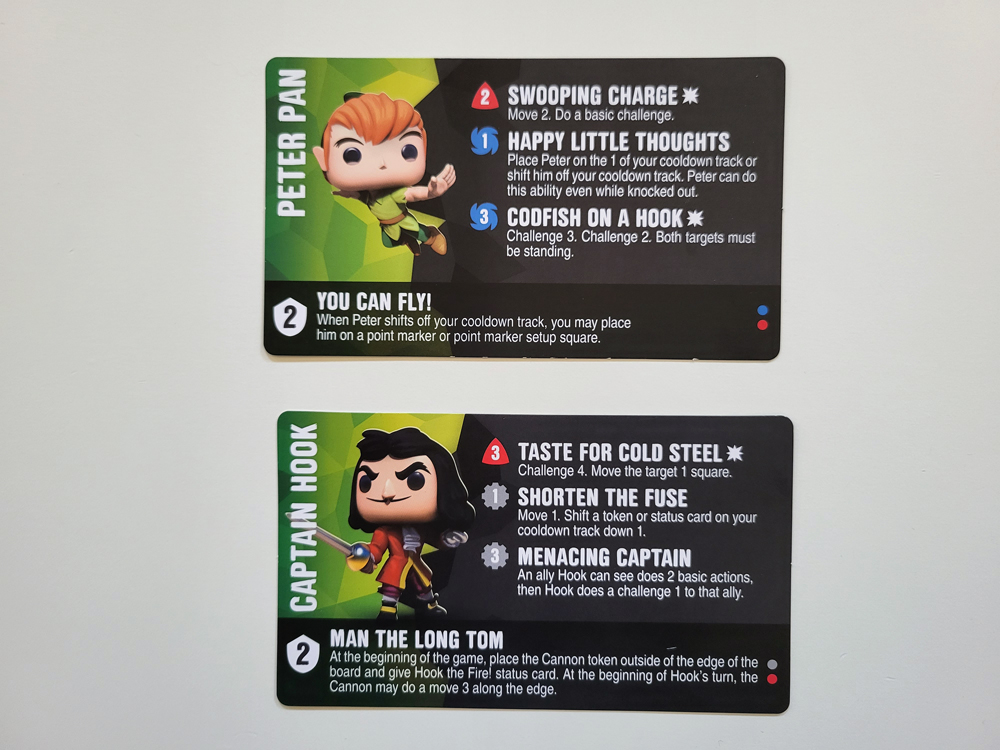
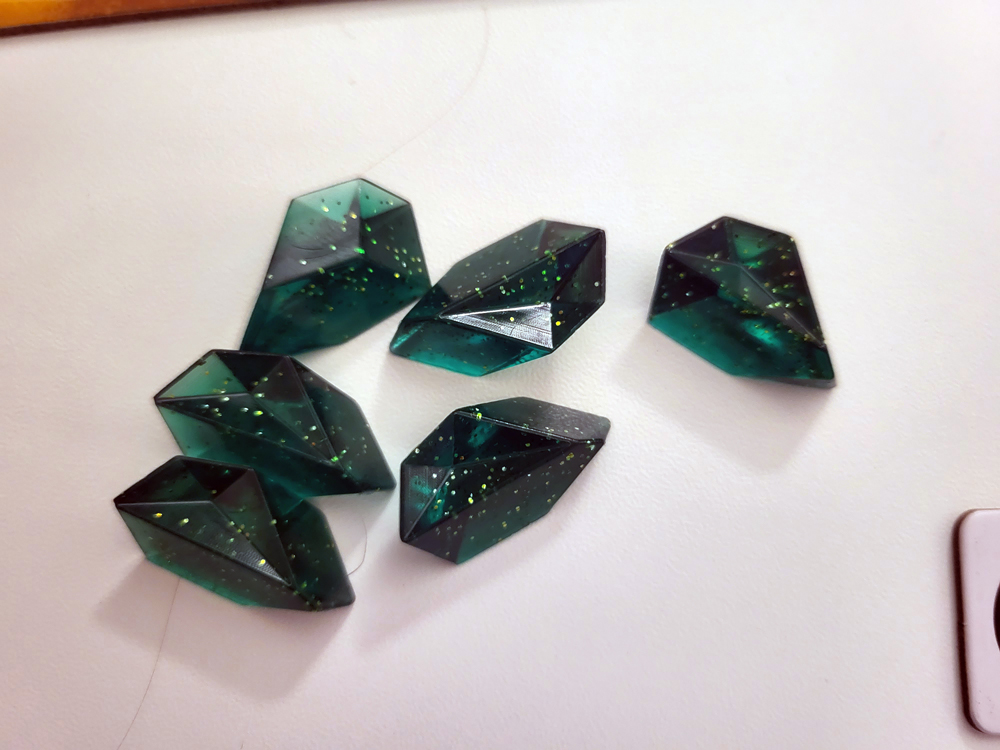
Overall, I really love the pieces. Funko Games always puts out quality game components with great attention to detail, and I love how their franchise games feel like tributes and not just franchise-based skins thrown onto a game without adding anything beyond the cosmetics. For anyone who loves Pop! Vinyls, the Character Movers are basically smaller Pop! Vinyl Figures and look absolutely spot on. The Tokens are thick cardboard with nice art that does a great job of using shapes and colors to help differentiate the different types of pieces. The Companion Cards and Cooldown Tracks are typical playing card thickness. Again, lovely use of art and all of the informational bits are nicely organized and easy to read. The Scenario Cards make great use of diagrams for set-up purposes. The Double-Sided Map is really lovely. It folds down nicely so that the game doesn’t take up ridiculous amounts of shelf space. The artwork has lovely images of Mermaid Lagoon and the Jolly Roger deck. The Mermaid Lagoon side even has places marked out for game set-up to run the practice game. The Point Markers are lovely green-tended little gems. The Instruction Booklet does a great job of breaking down a complex game into pretty easy understanding with lots of useful diagrams and even rules for a practice-style game to get a feel for things. Funko Games continues to manage a standard I am very fond of.
The goal of any Funkoverse game is to complete a scenario by earning Points through various objectives which can include battling opponents, collecting points, or guarding flags. Some actions grant more points than others.
Setup is one of those things I find goes together pretty quickly after you’ve done it once, although there will be variations for different Scenarios. To set up a game, carry out the following steps.
Gameplay
The best part about the gameplay is that once you learn how to play one Funkoverse game, you’ve learned to play them all. Each set has variations on Items, Abilities, and Scenarios, but the base gameplay is the same which also makes the mix-and-match nature of the game so easy. Nothing is done in secret either, so it’s easier to help younger players learn, and that is why our eight-year-old has been able to pick up on how to play. The directions include a Basic game version that focuses on Challenges between players. For purposes of this review, I would like to note I am describing the “Full Experience” rules. For our games, we used 2 Characters per player (one Character and one Basic Character each).
Taking a Turn
Players take turns choosing any of their Characters to do actions. When all Characters have had a turn, the Round ends. The following actions occur during a Turn:
Ending a Round
When all Characters are Exhausted, the Round ends, and the following Actions happen:
Movement Rules
Vision Rules
Draw an imaginary line between the center of the Character’s Square to the center of the Square it is trying to see.
Adjacency
A Square is Adjacent if it is next to or diagonal to the Square in question unless blocked by an Obstruction.
Challenges
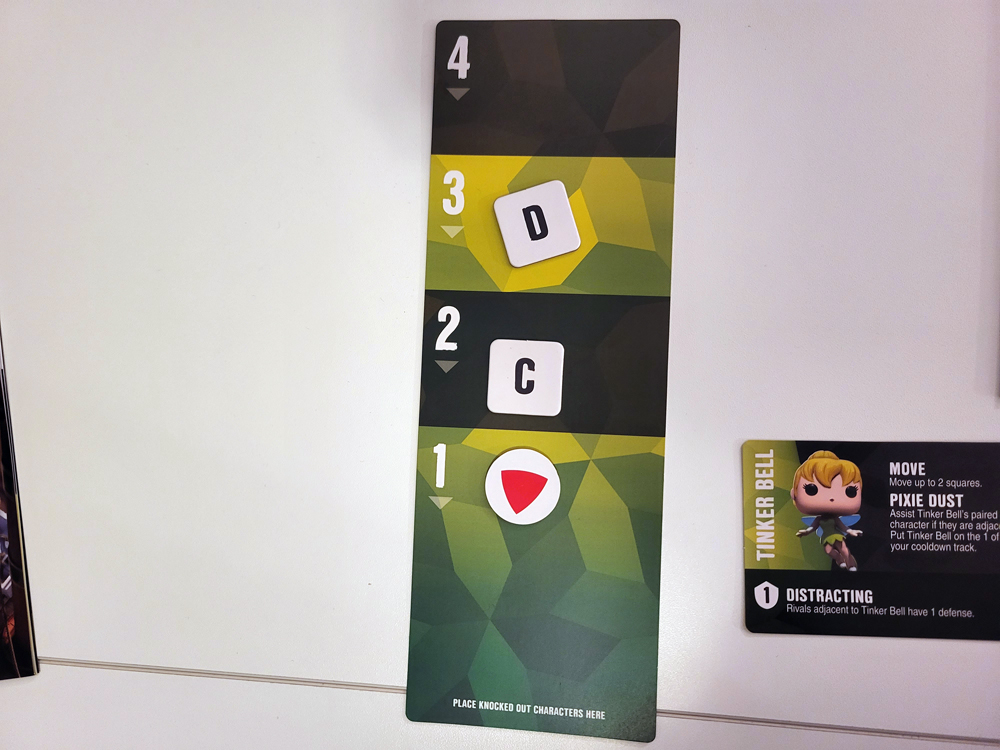
Challenges let Players Knock Down and Knock Out rival Characters. In a Basic Challenge, the Attacker rolls two Dice, and the Defender rolls the same number of Dice as their Defense number (the Shield Icon on their Character Card has this). The Attacker gets one point for every Explosion they roll, and 3 for every set of Exclamation Points. The Defender gets 1 point for every Shield they roll, and 3 points for every set of Exclamation Points. If the Attacker has more points, the Defender is tipped over on their spot and Knocked Down. Nothing happens if the Attacker ties or rolls less. If a Knocked down Defender loses a Challenge while Knocked Down, they are Knocked Down. The Character is removed from the Board and placed on the 1 Spot on the Cooldown Track. The Scenario Direction will tell you if Points are awarded for Knocking Out a Rival and how many. Characters on the Cooldown Track cannot act and on their Turn, an Exhausted Marker is placed on their Character Card. Some Abilities allow Players to Challenge multiple Characters. Resolve these one at a time. Characters who are Targeted may not be Blocked by an Obstruction.
Abilities
When doing an Ability, follow these steps:
Point Markers
If a player moves to a spot Adjacent to a Point Marker they can immediately Interact with it and claim the point. Put the Point Marker letter-side up on spot 4 of the Cooldown Track. When it moves off the Cooldown Track, place it back where it was and a player can Interact with it once again to earn a Point. In the Marvel 101 Expansion, Point Markers are used for Infinity Stones instead and they have alternate rules as described on the Scenario Card.
Attachments
Attachments include Items, Companions, and Bonus Objectives. Not all Attachments must be physically attached to a Character but each Player should have an equal number of Attachments.
More Players
If playing with 3 or 4 Players, the First Player Token and Character turns shift Clockwise. You can also play the game in two Teams with multiple players. Funkoverse: Peter Pan is designed for two-player scenarios but you can include more players by making teams.
Mixing Games
Part of the fun of Funkoverse is being able to mix and match Characters, Attachments, and Scenarios. Each Character should only be represented once, even if multiple copies of the same Funkoverse game are present. A recommended game uses 3 Characters and 1 Item per side, but you can experiment with these numbers as you gain more Funkoverse games.
Game End
At the end of each Round, check to see if any Player has managed to meet the Point Objectives stated by the Scenario for winning. If so, the game has a winner. If there is a tie, play another Round to see if a Player can break the tie with the most Points.
The Funkoverse line is one of my favorite franchise game-based lines. The components and gameplay are well done, well thought out, and clearly designed by fans for fans. Disney fans in particular will love the beautiful gameboard and beloved characters featured in this game. I love how much thought went into the directions right down to a beginner version of the game. The game is aimed at 10+, but because all cards are visible and there is a beginner version, it doesn’t take a lot to teach kids a few years younger how to play.
When you consider the nature of the strategy in the game, it reminds me of Pokémon (which is aimed at 6+). It’s a game younger kids can use to start learning strategy, but older and more experienced players can really make an art form out of it. That being said, I don’t think a random group of kids under 10 would have the easiest time learning the game on their own. Characters can be played in teams, which is another way to bring in younger family members to alleviate situations where one player just destroys everyone strategy-wise.
The dice rolls do help even the playing field with a certain amount of luck at play. In one of our games, the winning plays were really close, and I just squeaked ahead. (I am infamously destroyed in games in our house.) The Scenarios give some fun variety and the mix-and-match nature of the franchise and the Character Abilities give you lots of different ways to play keeping the replayability factor nice and high. Add in the fact the base rules are the same, and it’s the Characters and Scenarios that bring in the new ways to play, and you really only have to learn the game one time in order to play so many different versions.
The biggest concern is that these games, like the Pop! Vinyls they are modeled after, are alluring enough that you probably won’t be able to limit yourself to just one. The MSRP of $25 is absolutely right on target with what I would expect and gladly pay for. You can grab a copy for yourself through Funko Games and check out more from the line here.
This post was last modified on November 18, 2022 7:21 pm
Bring springtime and color into your home with Marimekko stationery items.
The fight between winter and the onset of spring is something we know well in…
Out today is the newest Mouse Guard book, 'Mouse Guard: Dawn of the Black Axe'—and…
If you like some extra squares in your cubes, check out the new Rubik's x…
Like many others, I jumped directly into my Apple Music Replay this year filled with…